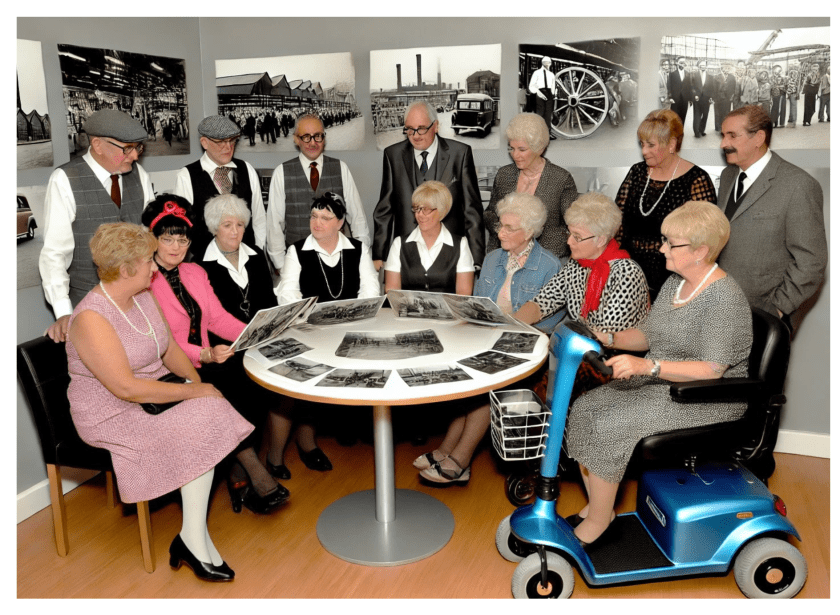
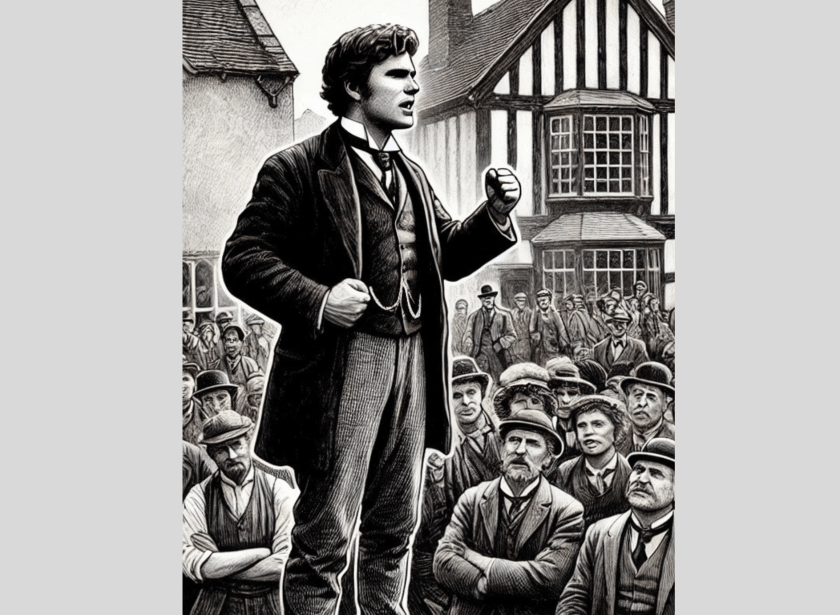
As part of the Banbury Heritage Project, we developed a new, simple co-creation activity that captured people’s favourite heritage stories or project experiences. Supported by artist Tila Rodrigues and media teacher Dr Nicholas Gray, participants recorded an audio story and then created an AI-generated image to accompany it. This activity empowered members of the group to take the lead in storytelling, share and support each other’s experiences, engage with new technologies, and contribute to a collective creative project.
How to use the Postcards
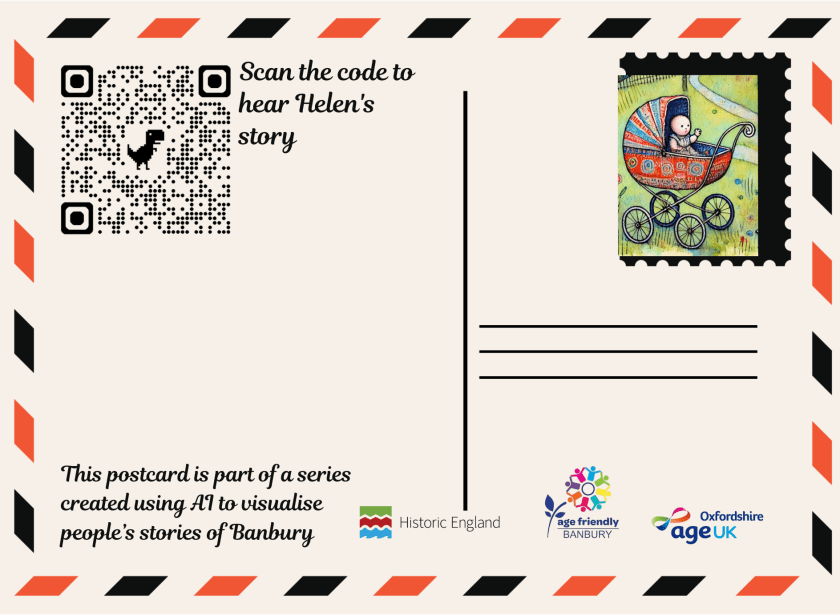
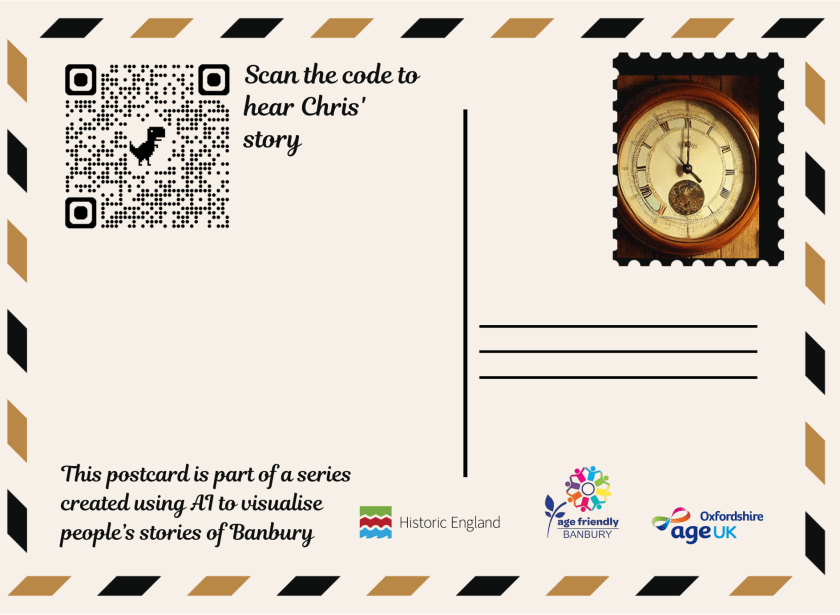
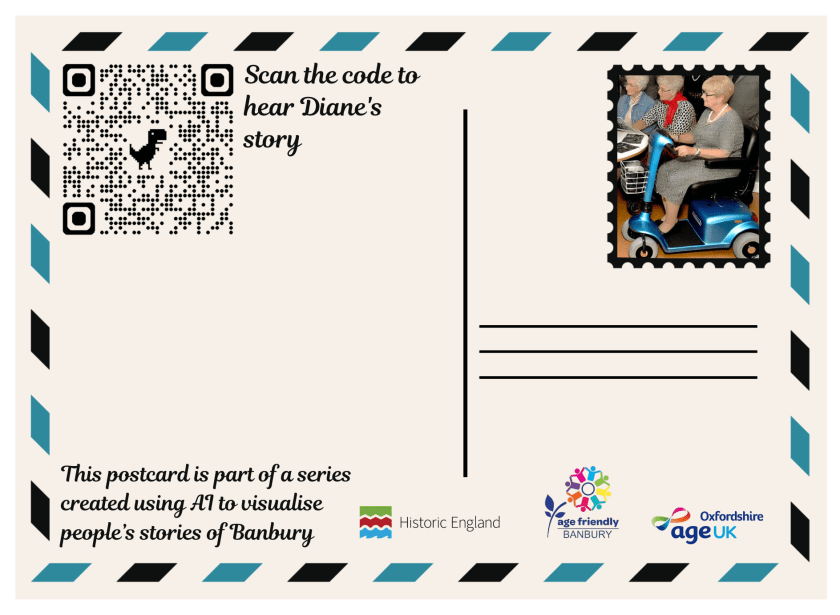
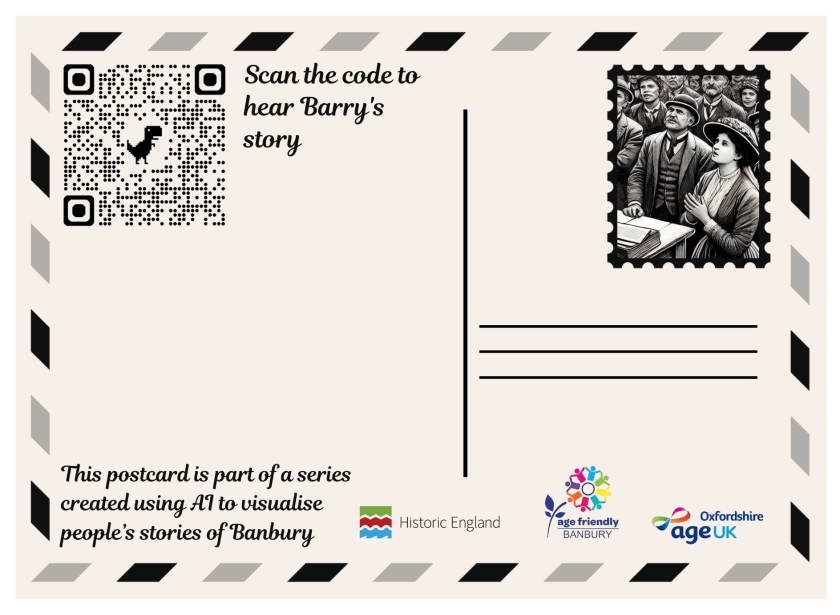
Open your device’s camera or a QR code scanning app. Hold your device steady and point the camera at the QR code – it should recognise it automatically. If you use a screen reader, it may announce a link, which you can select to open the webpage or resource. Some QR code apps offer additional accessibility settings, such as voice feedback or high-contrast displays. If you have trouble scanning, try adjusting the lighting or moving closer.
If you have accessibility needs, you can use a screen reader or voice control to scan them.


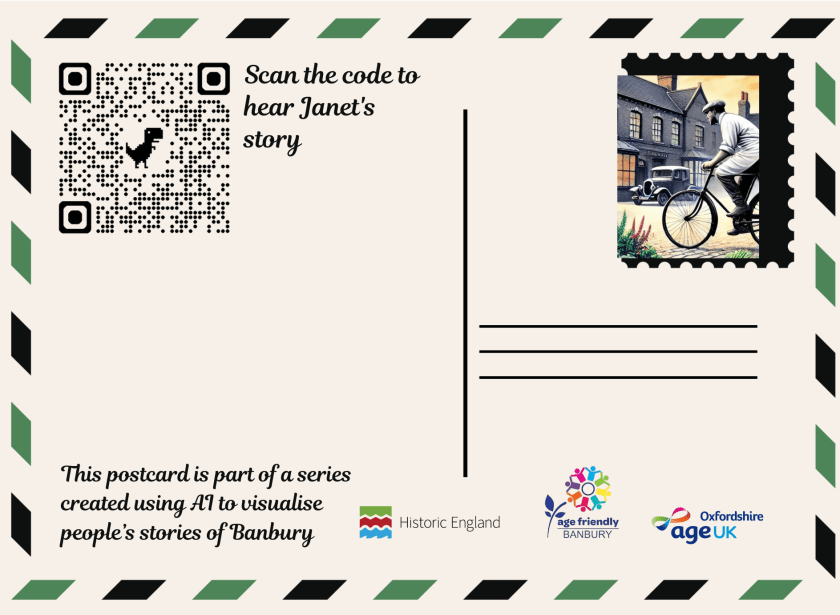
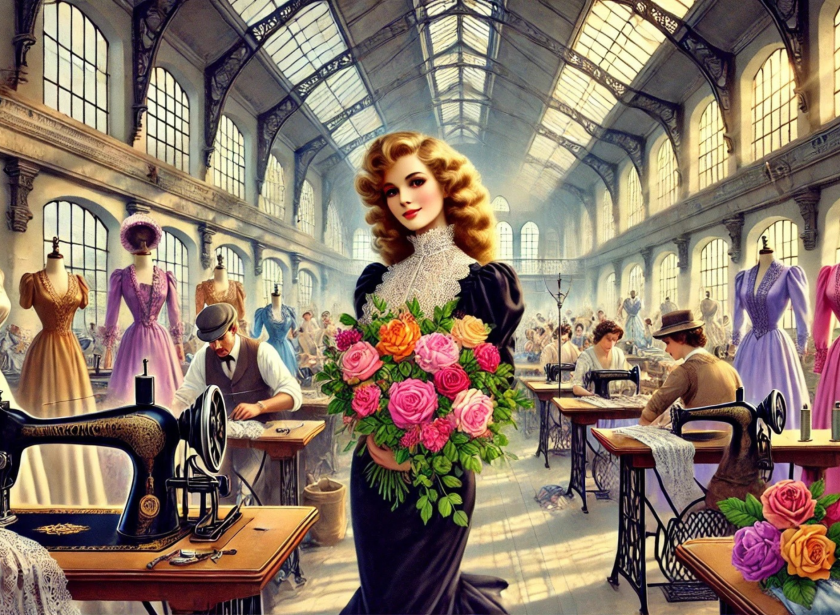


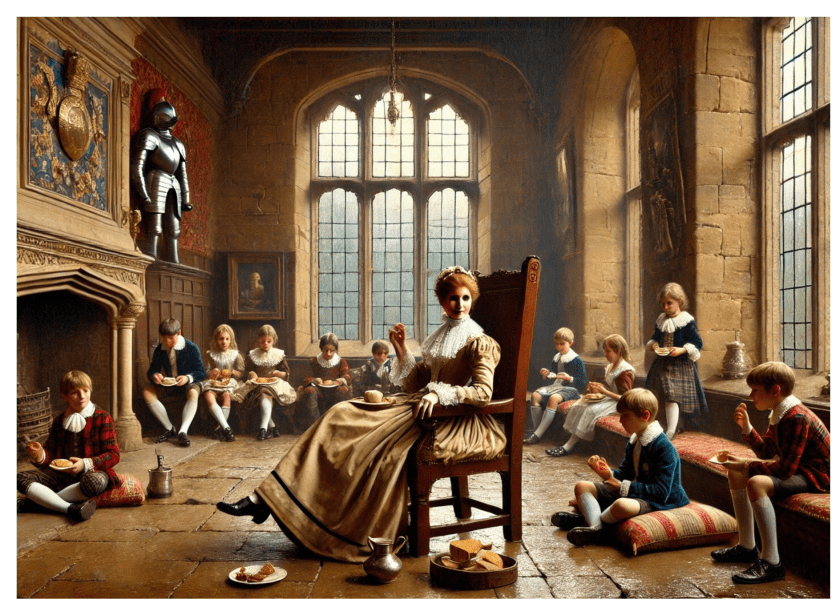
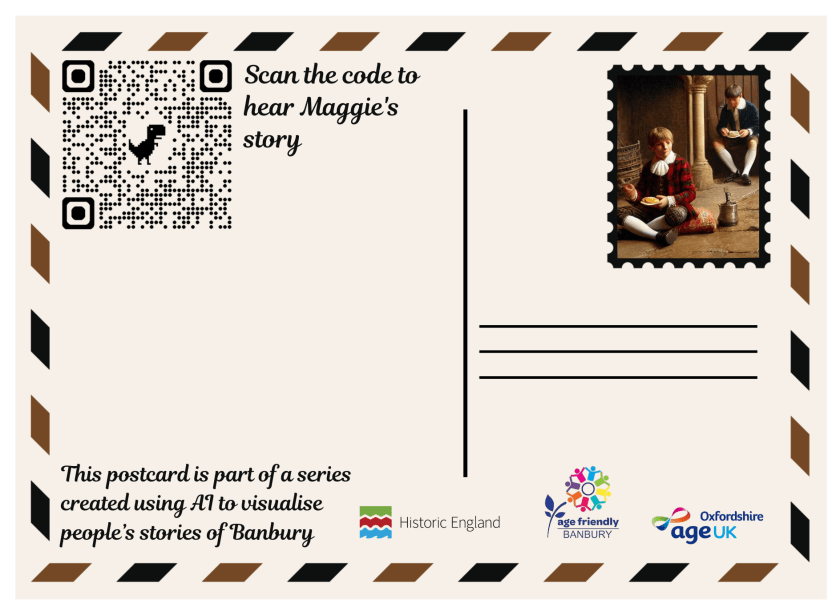
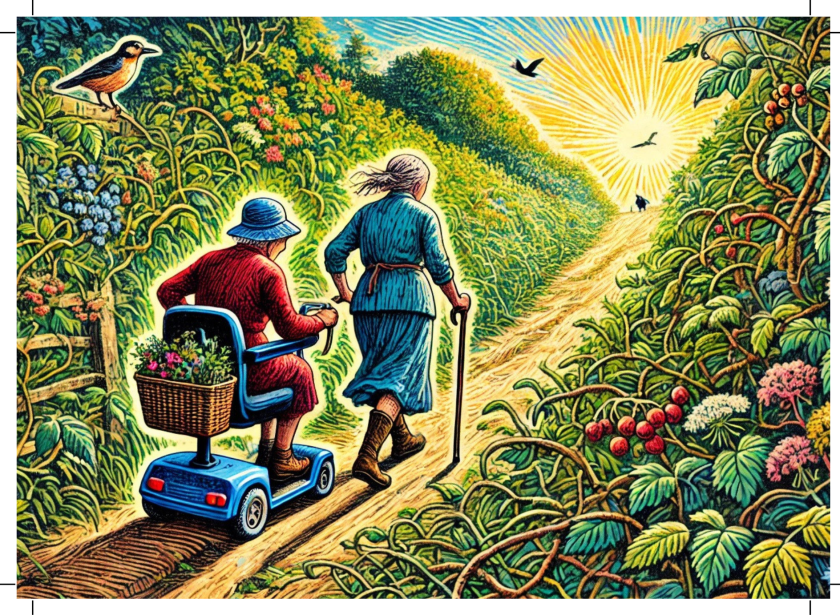
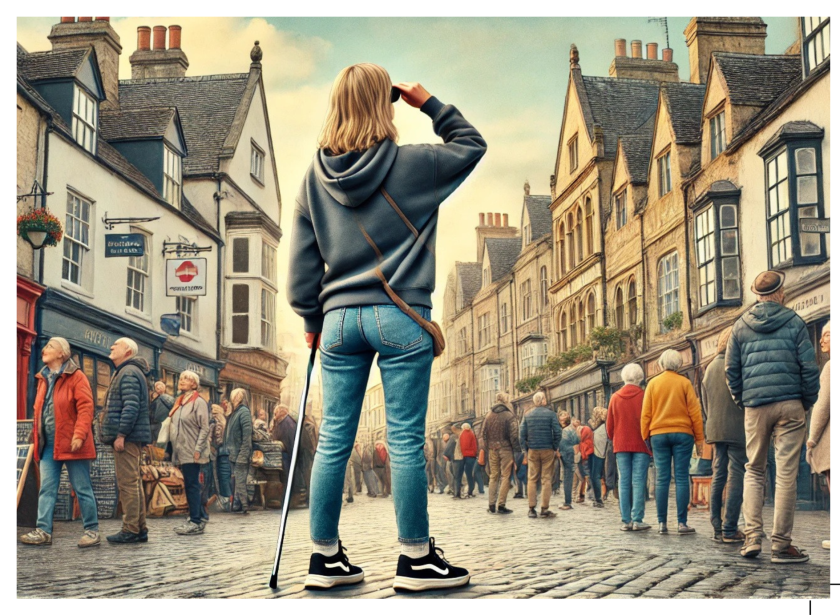
How the postcards were made
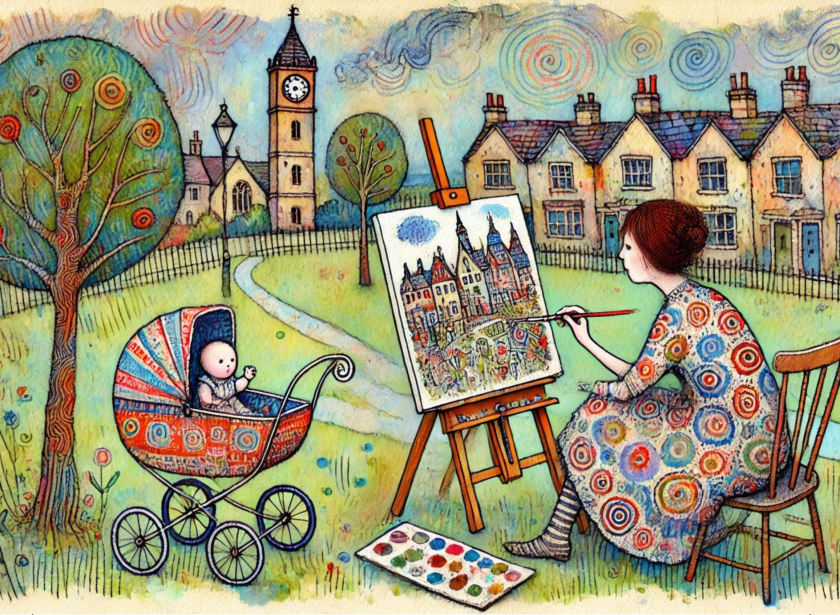
Each person began with a story they wanted to tell. They then crafted a ‘text prompt’ for the AI image generator DALL-E. Through group feedback, critique, and refinement, they arrived at a final image that best represented their narrative. These AI-generated images often depicted experiences without existing material records. They sometimes revealed the cultural biases within AI models. The activity sparked discussions on authenticity, truth, how older adults are viewed in society, and the impact of disruptive technologies such as AI.
Participants recorded their stories as sound files, accessible via QR codes on the back of their postcards. The final postcards were printed and given to participants to keep or share
 creativelaterlife.com